




Skip to content
clover1
Group 158
clover3
clover4
ADVISE

Build Your AI & Automation Program the Right Way

 
Advise

What Are Advisory Services for AI & Automation?

Advisory services help organizations design and build the program infrastructure behind their automation and AI investments. This includes governance models, operating structures, technology architecture, platform decisions, and the internal capability needed to run and grow a program. Advisory is distinct from implementation — it focuses on the decisions and foundations that determine whether implementation succeeds.

We’ve had a great experience working with Ashling. They took the time to understand our business, were flexible to our needs, and worked exceptionally with our supply chain team to deliver the automations within a tight timeframe.

[The discovery with communications mining] was absolutely painless on our end of things. It was done within four weeks. We were the last automation initiative to start and the first to finish and show real impact.

Ashling combines deep automation expertise with a really strong understanding of our business. They are proactive, well-prepared for every interaction, and translate complex technical concepts into clear, actionable recommendations.

Group Solution Manager
Retail

Clear and concise communication. Utilized great tech experience combined with business understanding to provide obtainable efficiency goals.

EVP, Chief Information Technology & Security Officer
Banking
Their developers are very experienced and professional. They offered recommendations above and beyond.
AI Team, Developer
Healthcare System
WHAT WE DO

Advisory Services

Operating Model Design & Build
How should your AI and automation program be structured, funded, governed and operationalized?

Automation and AI programs succeed or fail at the program level, not the project level. Without a shared vision, clear governance, and a funding model that reflects how your organization actually works, individual automations deliver isolated wins that never add up to something bigger.

Ashling's Program Strategy & Governance service builds the foundation that makes scale possible. We work with your leadership team to define where automation fits in the enterprise strategy, establish how decisions get made and communicated, determine how the program gets funded, and prepare your organization for the change that follows. The result is a program that leadership trusts, teams can execute against, and the business can measure.

What we establish:

  • Automation & AI vision aligned to enterprise priorities
  • CoE charter and operating model
  • Governance and reporting structures
  • Benefit realization framework
  • Automation funding model
  • Stakeholder communication and engagement plan

Architectural Design & Build
What infrastructure and technology does your program actually need to succeed?

Architecture decisions made early are hard to undo later. They surface when you're scaling, when a security review stalls a deployment, or when vendor lock-in limits your options. We define a reference architecture across your full automation and AI landscape — designed for security, governance, and cost efficiency from the start, not retrofitted after the fact.

  • Automation architecture design and review
  • Platform selection and vendor evaluation
  • Integration and orchestration guidance
  • Agentic AI and LLM architecture advisory
  • Migration planning and risk assessment

Training, Enablement & Workshops
How do you build the internal capability to run your program without staying dependent on outside help?

Our goal is client autonomy. That means investing in your people alongside your program — building the skills, assets, and team structure that make sustainable, independent delivery possible. We meet your team where they are, whether that's foundational Agentic AI training or hands-on enablement, and we build toward a clear picture of what self-sufficiency looks like for your organization.

  • Developer and citizen developer training
  • Process owner enablement
  • CoE capability building
  • Platform-specific workshops (RPA, agentic AI, IDP, and more)
  • Change management and adoption support

The Six Elements of an Operating Model

Ashling's advisory work is structured around six areas where operating model decisions determine whether a program scales or stalls.

1
Strategic Direction & Governance

Defines the overarching vision, goals, and guardrails for your automation and AI program. Covers how decisions are made, how the program is funded, and how the organization prepares for and manages change. Without this, programs operate without a consistent mandate and struggle to maintain leadership support over time.

2
Architecture & Security

Establishes the technical infrastructure; platform components, connectivity, security policies, and application management procedures that your automation program runs on. An enterprise-grade architecture designed from the start prevents the technical debt that limits scale later.

3
Talent & Velocity

Defines the roles, responsibilities, training plans, and communities of practice that keep your team capable and your program moving. Automation programs slow down when the people running them don't have the clarity or skills to keep pace with evolving technology and growing demand.

4
Pipeline & Priority

Governs how automation opportunities get identified, assessed, and sequenced. Covers intake methodology, opportunity assessment criteria, and business engagement. It ensures the right work gets selected, owned, and delivered in an order that maximizes impact.

5
Continuous Improvement

The delivery methodology, technical standards, and testing approach that ensure every automation is built consistently, safely, and to a standard that holds up in production. This is what separates programs that deliver reliable output from those that accumulate exceptions and rework.

6
Value Tracking & Insights

Defines how the program is measured and communicates its impact, across cost savings, risk reduction, and strategic value. Includes process reimagination to keep the roadmap current and transparency frameworks that give leadership the visibility they need to keep investing.

PEA2025_Innovation_Award_Winner Badge_GLOBAL
IN THE NEWS
Ashling wins 2025 SS&C Blue Prism Global Innovation Award for the 3rd year in a row!
Group 163
Join our Agentic Foundations Webinar on November 18 at 3 PM CST!

We'll dive into AI Economics, Operating Model & Change Management strategies with tips and insights from Ashling & SS&C Blue Prism.

Driving Value for 300+ Leading Brands

Learn from Our Advisors

Why CFOs Shouldn’t Lose Faith in AI
Article

Why CFOs Shouldn’t Lose Faith in AI

Discover why CFOs should maintain confidence in AI, how to unlock its true value and avoid common pitfalls in your organization's AI initiatives.
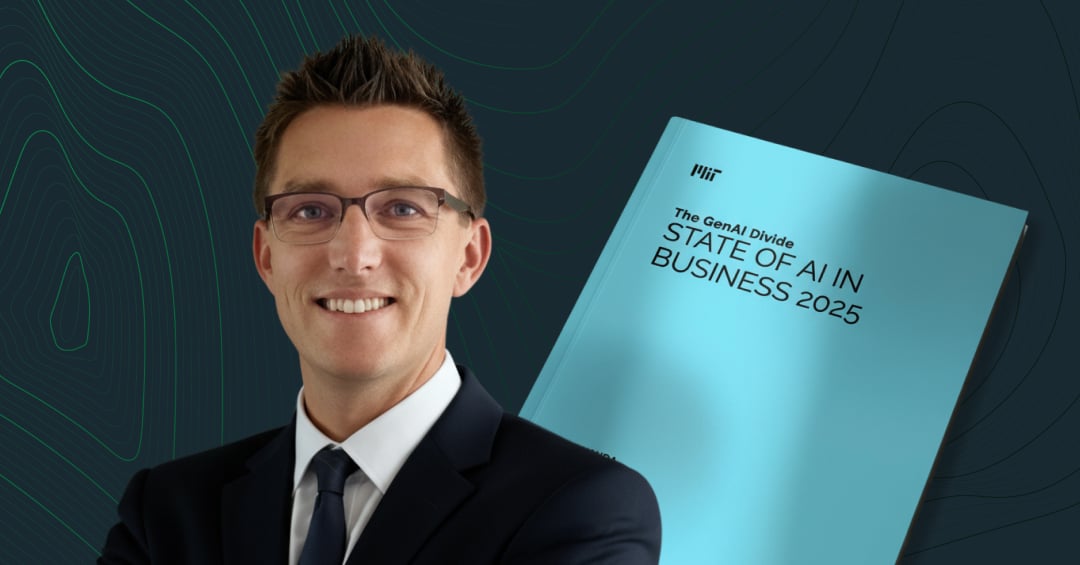
Decoding the GenAI Divide: How to Be the 5% That Ships
Article

Decoding the GenAI Divide: How to Be the 5% That Ships

Unlock the secrets to successful AI deployements and avoid common pitfalls with proven strategies for intelligent automation.

Agentic Foundations: Should AI & IA CoE's Merge?
Demos & Videos

Agentic Foundations: Should AI & IA CoE's Merge?

In this on-demand session, Ashling’s co-founders break down what it really takes to govern AI and intelligent automation as agentic capabilities accel…

Advisory FAQs

Why has our automation program stalled?

This is one of the most common situations we see. Early automation wins are relatively easy to land — the hard part is building the program infrastructure that sustains momentum beyond them. Stalled programs usually share the same root causes: no clear pipeline governance, inconsistent prioritization, limited executive visibility, or an architecture that wasn't designed to scale. Advisory addresses all of these directly. We come in, diagnose what's slowing you down, and build the structure that gets the program moving again.

We ran a successful pilot. Why aren't we seeing the same results at scale?
How do we build a business case for automation that leadership will actually approve?
Our automation ROI is lower than we expected. What are we missing?
How do we know if we're ready for agentic AI?
We're considering switching automation platforms. How do we evaluate that decision?
What is automation program governance and why does it matter?
What is the difference between centralized and federated automation governance?
What should an automation CoE charter include?
How should we fund our automation program?
What does organizational change management look like in an automation program?
What artifacts should we expect from a program strategy and governance engagement?