

Success Story
- Robotic Process Automation (RPA)
- Artificial Intelligence (AI)
- Manufacturing
- Process Intelligence
- Supply Chain
- Intelligent Document Processing (IDP)
- UiPath
- Discovery
- How Do I Scale & Build for the Long Term?


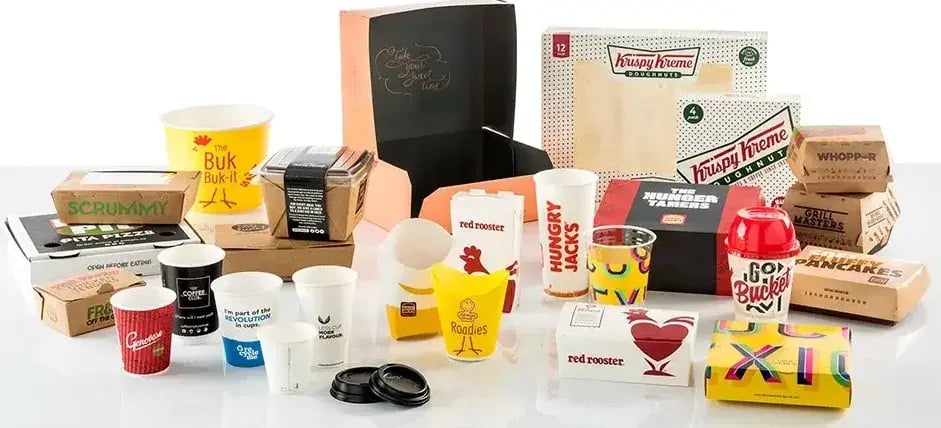
Established in 1948, the Detmold Group is an Australian family-owned and operated business, supplying some of the world’s largest and most iconic food and retail brands. The business’s global operations span 17 countries and encompass multiple brands, including Detpak and Detmold Medical.
Detmold Group has renewed its commitment to automation, pivoting to a more robust and sustainable approach that supports the company’s growth and innovation.
Founded in Adelaide, South Australia, Detmold Group now operates in 17 countries with seven global manufacturing facilities and 2,800 employees. The company aspires to be an innovative global partner, creating packaging for a better tomorrow and making a positive impact for its people, its partners, and the planet.
Detmold Group’s automation initiatives support these aspirations by freeing people from complex, manual processes and data entry, so they can focus on activities that add value to the business and its customers.

Prior to partnering with UiPath and Ashling, Detmold Group had attempted to use another automation solution. However, it failed to deliver the desired results and the IT team had to frequently step in to resolve issues and drive improvements.
Darren Wilksch, Group General Manager - Transformation, Detmold Group, wanted the business to be more self-sustaining and able to manage and optimize automations without heavy reliance on IT. This led to a strategic reset and engagement with Ashling to implement UiPath Orchestrator and software robots.
In addition to its expertise in UiPath and establishing intelligent automation programs, Ashling offered ongoing support, maintenance, and enhancements through its Modern Robotic Operating Center (mROC).
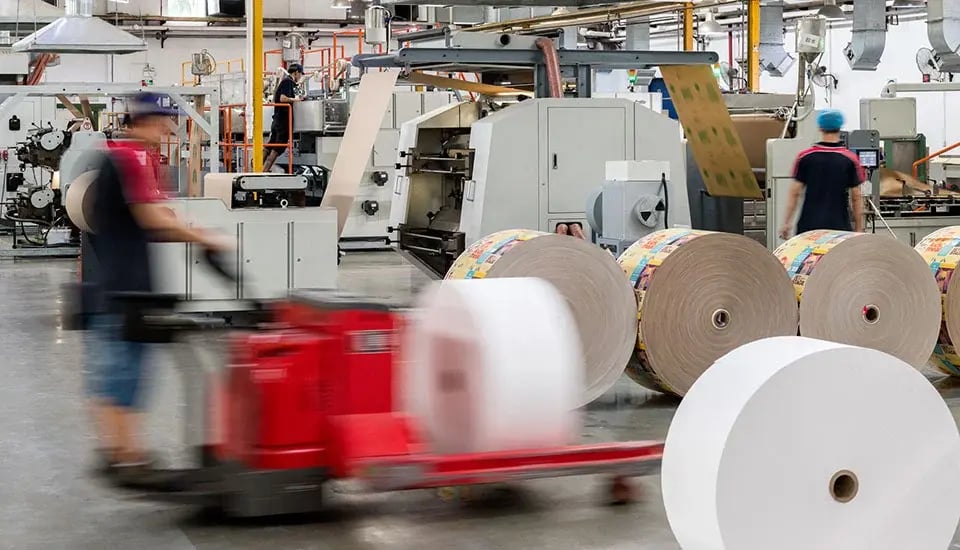
Detmold Group’s immediate priority was to move off its previous automation platform before the end of its licensing agreement. Ashling rose to the challenge, working through the holiday season to move the company’s two existing automations onto UiPath in under two months.
The first of these automations generates purchase orders for suppliers based on sales orders, replacing a highly manual, error-prone process. The automation not only eliminates manual re-keying of data but enforces consistent business rules before purchase order completion. The second automation reconciles data from disparate systems to provide an accurate, up-to-date picture of in-flight and completed orders.
Both of these processes are key to ensuring efficient order fulfillment, and with the automations now running on UiPath, Detmold Group has increased visibility and confidence in their performance.
The combination of UiPath and the improved architecture and design delivered by Ashling has reduced processing time by 50%, effectively doubling Detmold Group’s capacity. The new processes have also boosted employee productivity by 70%.
Thanks to these efficiencies, Detmold Group achieved a full return on its investment in automating these processes within 12 months.
With the intuitive nature of UiPath Orchestrator, Detmold Group’s business teams can monitor, measure, and track robot activity and performance in real-time, shifting operational responsibility from IT back into the business. Supported by Ashling and the mROC, business teams can also enhance and make changes to automations, such as updating financial cost codes used for reconciliation. This ability to self-serve is key to Detmold Group’s objective to build a more sustainable automation program.

Detmold Group and Ashling are now scaling automation across the business with two new automations underway and six more being considered for 2026.
For others just starting out with automation, Wilksch recommended taking an end-to-end approach and seeking partnership and support rather than a standalone solution.
Technology Used